 Menu

Computing / Product review
Raspberry Pi 5 review: A great project starts with the whole kit
The Pi 5 is a flexible foundation for learning and small projects. Power, cooling, storage, and setup time belong in the real buying decision.
By Wendy Editorial · Research-based assessment
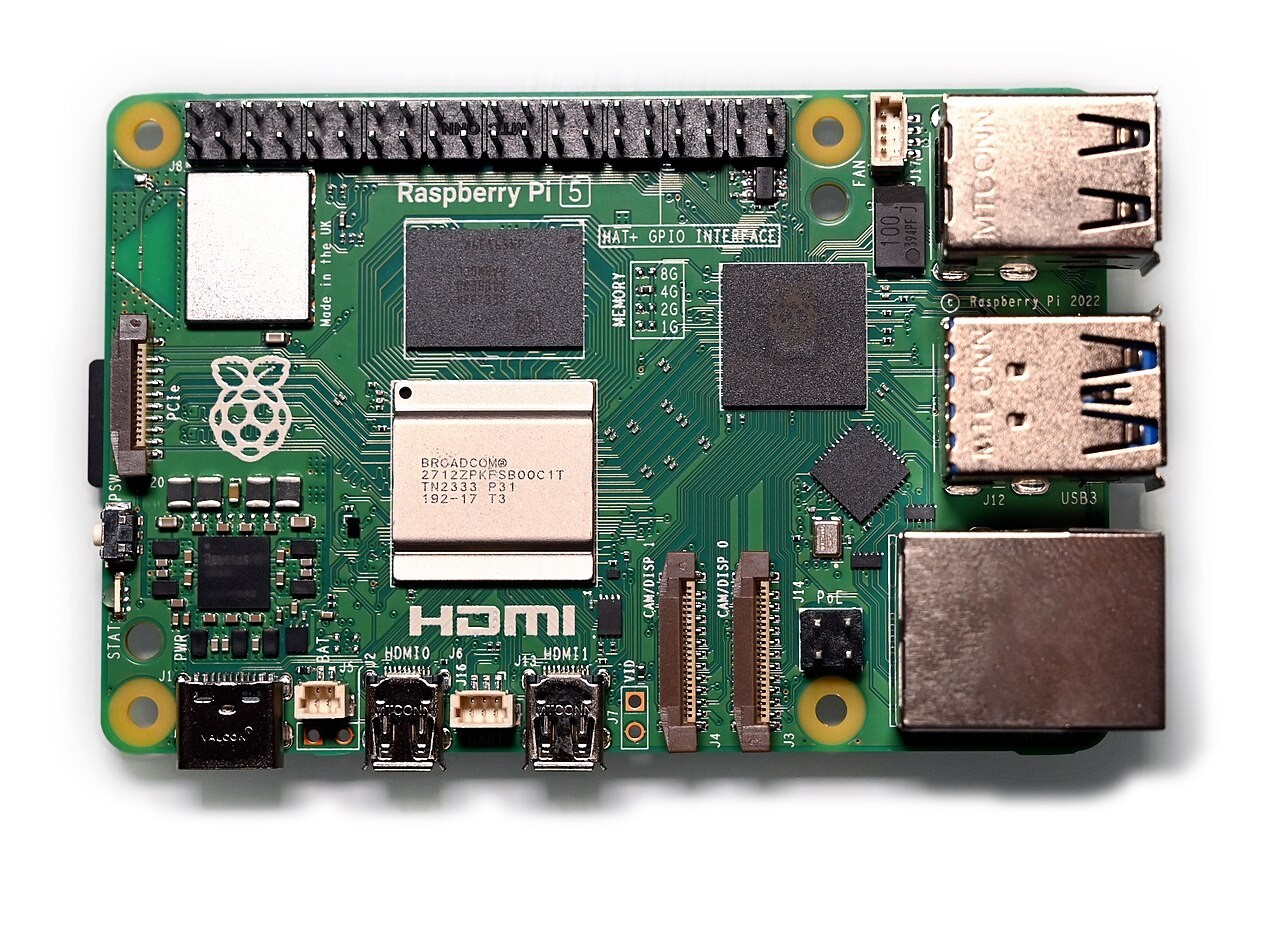
About this review: This is an original editorial assessment based on published specifications and documentation, not a hands-on test. We have not independently measured performance, battery life, or sound quality. Manufacturer claims are identified. Sources are linked below.
At a glance
A strong fit for people who want to build and learn, provided the complete project budget makes sense.
What works
- GPIO and a broad maker ecosystem
- Gigabit Ethernet and useful peripheral ports
- PCIe connection for compatible expansion
What to consider
- Power supply and storage are separate decisions
- Cooling and a case add to the budget
- More setup than a finished appliance
Key specifications
| CPU | 2.4GHz quad-core Arm Cortex-A76 |
|---|---|
| USB | 2 × USB 3.0; 2 × USB 2.0 |
| Network | Gigabit Ethernet; dual-band Wi-Fi |
| Expansion | 40-pin header; PCIe 2.0 x1 |
| Recommended power | 5V / 5A USB-C supply |
Buy it for a project
A Raspberry Pi is most satisfying when it has a job: learning Linux, experimenting with electronics, or building a small local service. The Pi 5 offers useful processing and expansion options, but the board alone is not a ready-to-use computer. The project defines the accessories, software, and time you need. Start with a concrete task rather than an ambitious list of things you might eventually build.
Published connections tell you what is possible. They do not tell you how much patience your first setup will require. If the learning process is part of the attraction, that is a benefit. If you simply want an appliance, it can become a hidden cost.
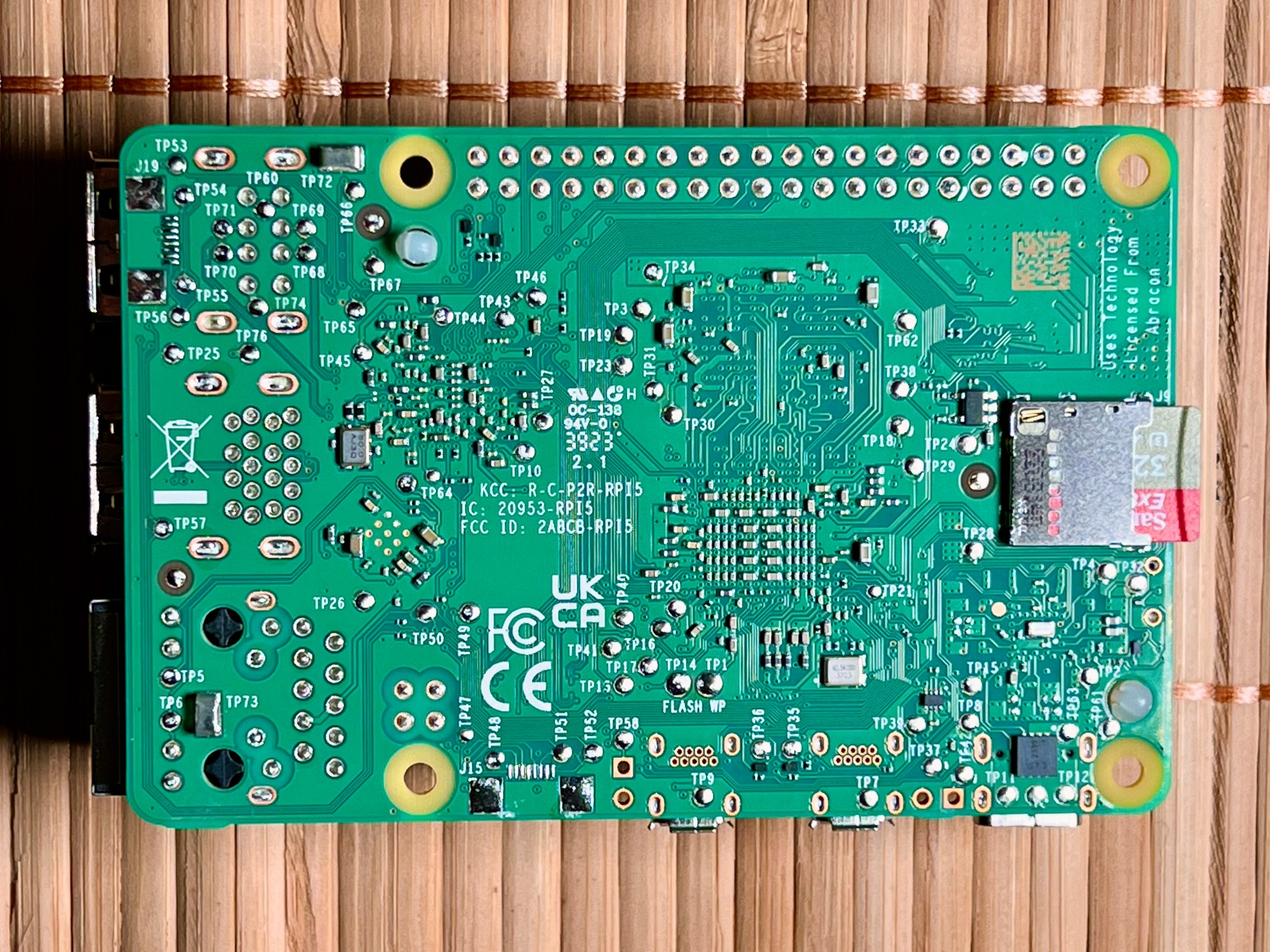
The board is only the beginning
Budget for boot storage, a suitable supply, a case, and the required cables. Cooling and an expansion adapter may also be worthwhile. Raspberry Pi recommends a high-quality 5V / 5A supply and says active cooling helps the Pi 5 perform at its best. A spare phone charger is not automatically an appropriate replacement.
Read the component list of any kit. A bundle can be convenient without being a saving. Look at storage quality, the supply specification, and case ventilation. Verify compatibility before reusing accessories from an earlier Pi; a familiar connector does not guarantee that every older component fits.
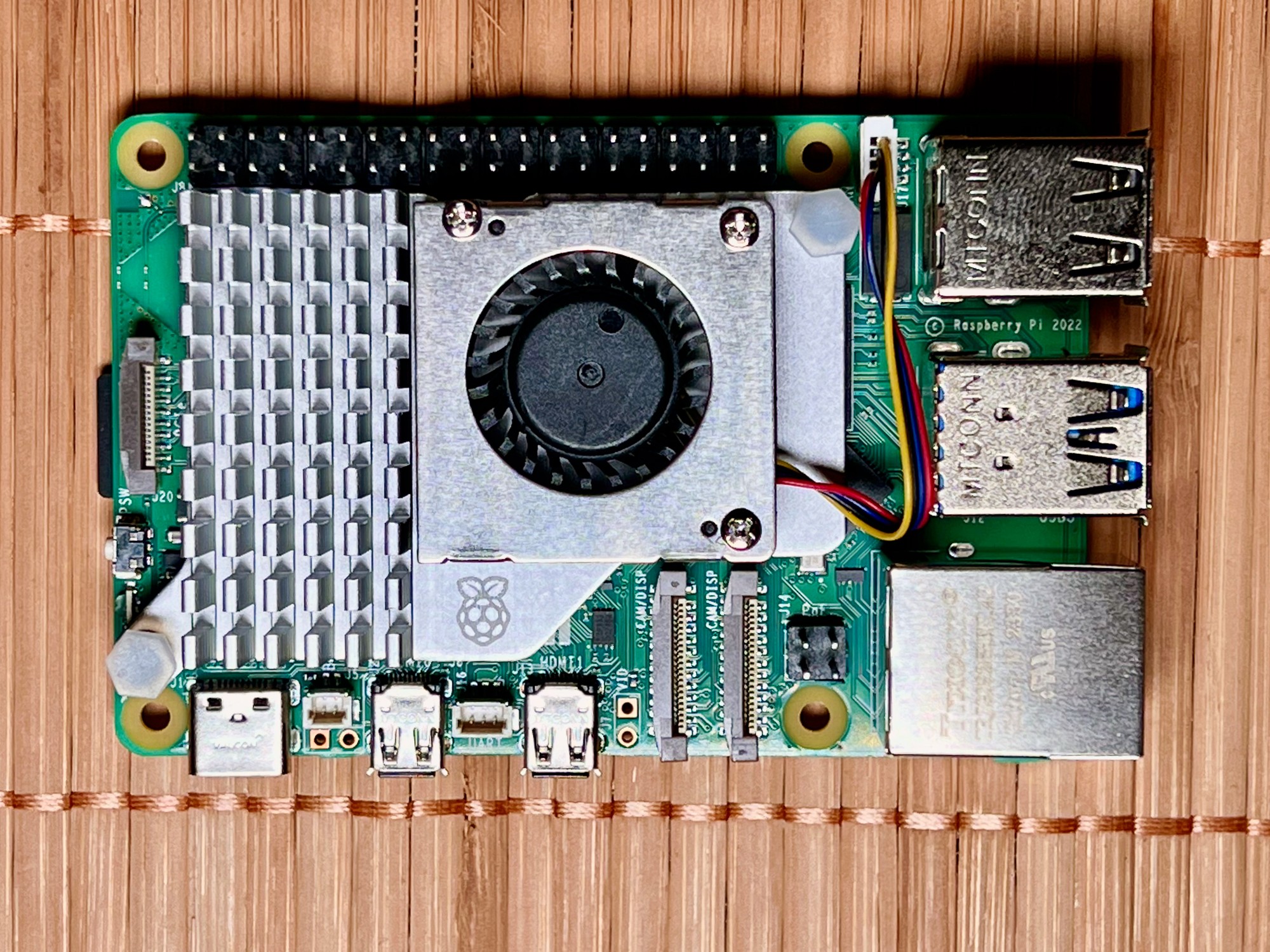
Freedom comes with maintenance
The 40-pin header is a reason to choose a Pi when a project involves compatible electronics. PCIe expansion provides another option, but an SSD needs an appropriate adapter. Sketch the complete connection path before ordering, including the parts that are easy to overlook.
For a network service, think beyond hardware. Decide how to update the operating system, recover from failed storage, and keep copies of important files. A learning project can be disposable; the only copy of a household’s documents should not be. If another person will maintain the setup, include them in the decision.
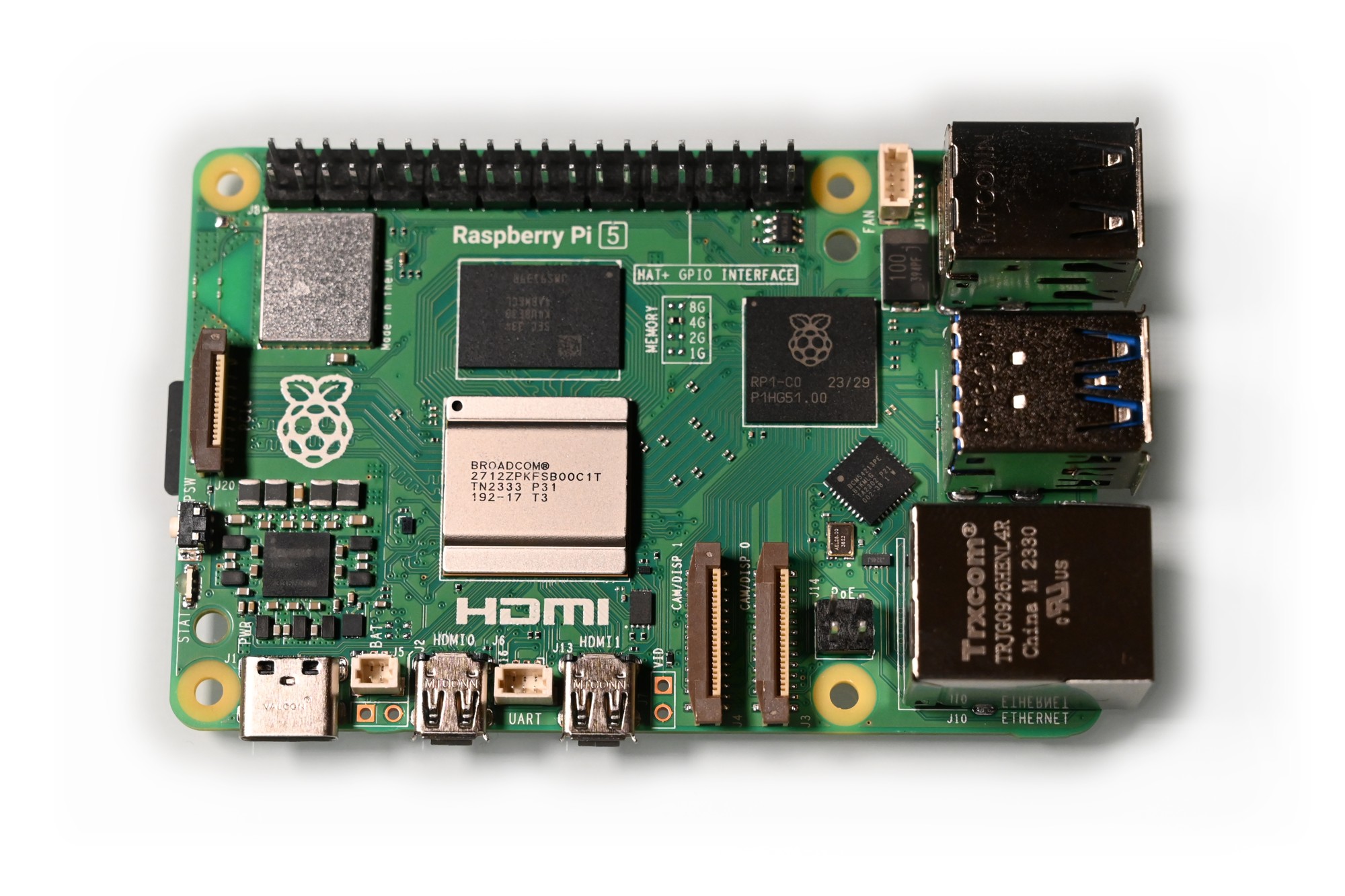
Who should buy it?
Buy a Pi 5 when learning and experimenting are part of the goal, or its hardware interfaces solve a concrete problem. It suits a curious beginner willing to follow documentation and a maker with an established plan. Compare a small finished PC if you need an ordinary desktop with no use for the specialist connections.
The Wendy verdict
The Pi 5 is compelling because you can make it your own. Write a parts list and a realistic first task before spending. If the project still makes sense when cooling, power, storage, and setup time are included, the board is a versatile foundation. Start with one working project and expand from there.
Sources & review notes
Published October 20, 2026. These reviews cover the specific models named above. Availability, software features, and seller prices can change.
Photography is independently licensed and does not indicate that Wendy tested or photographed a review unit. Photo licenses remain with their credited creators. No affiliate tracking links are included in this edition.